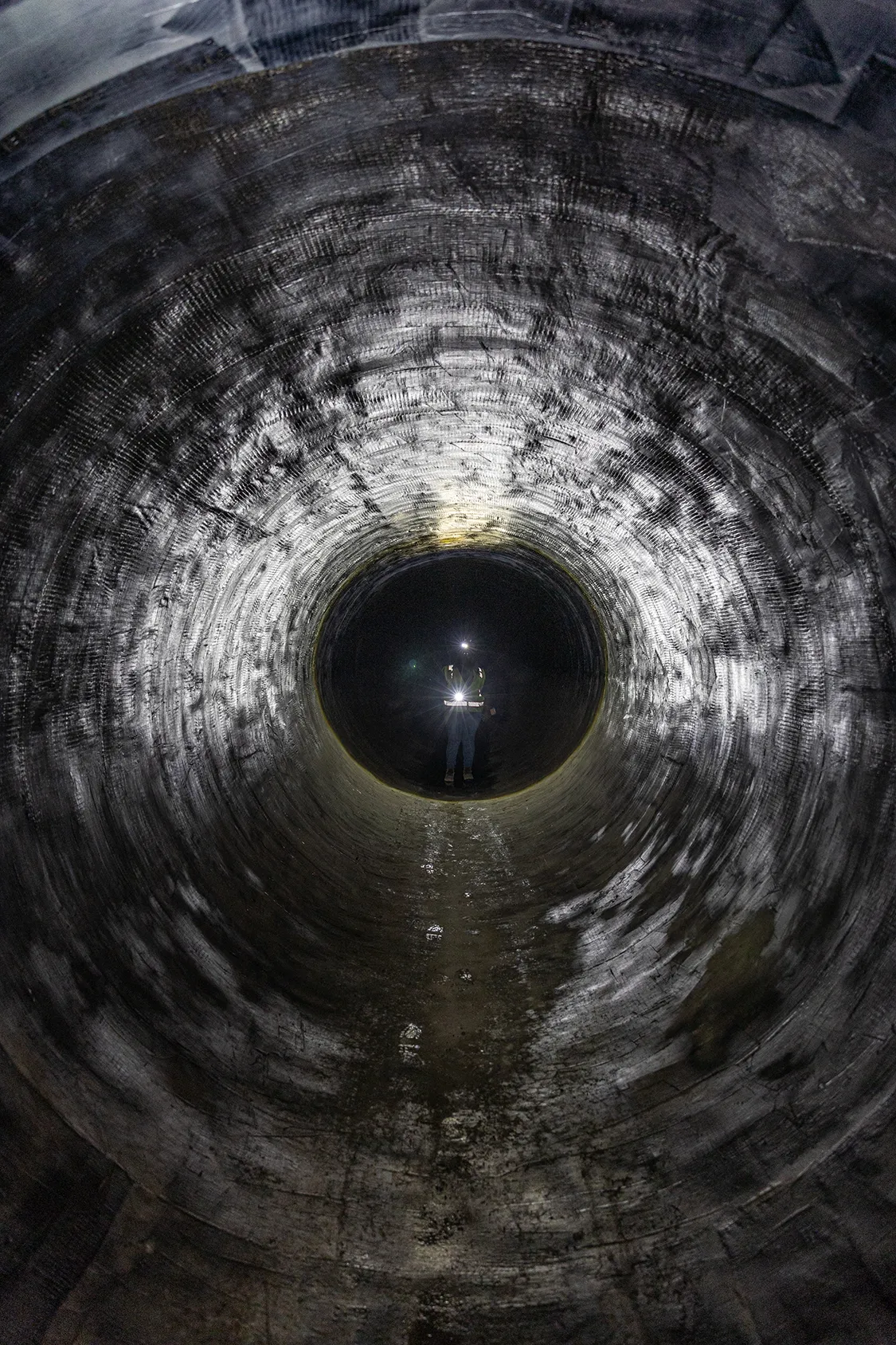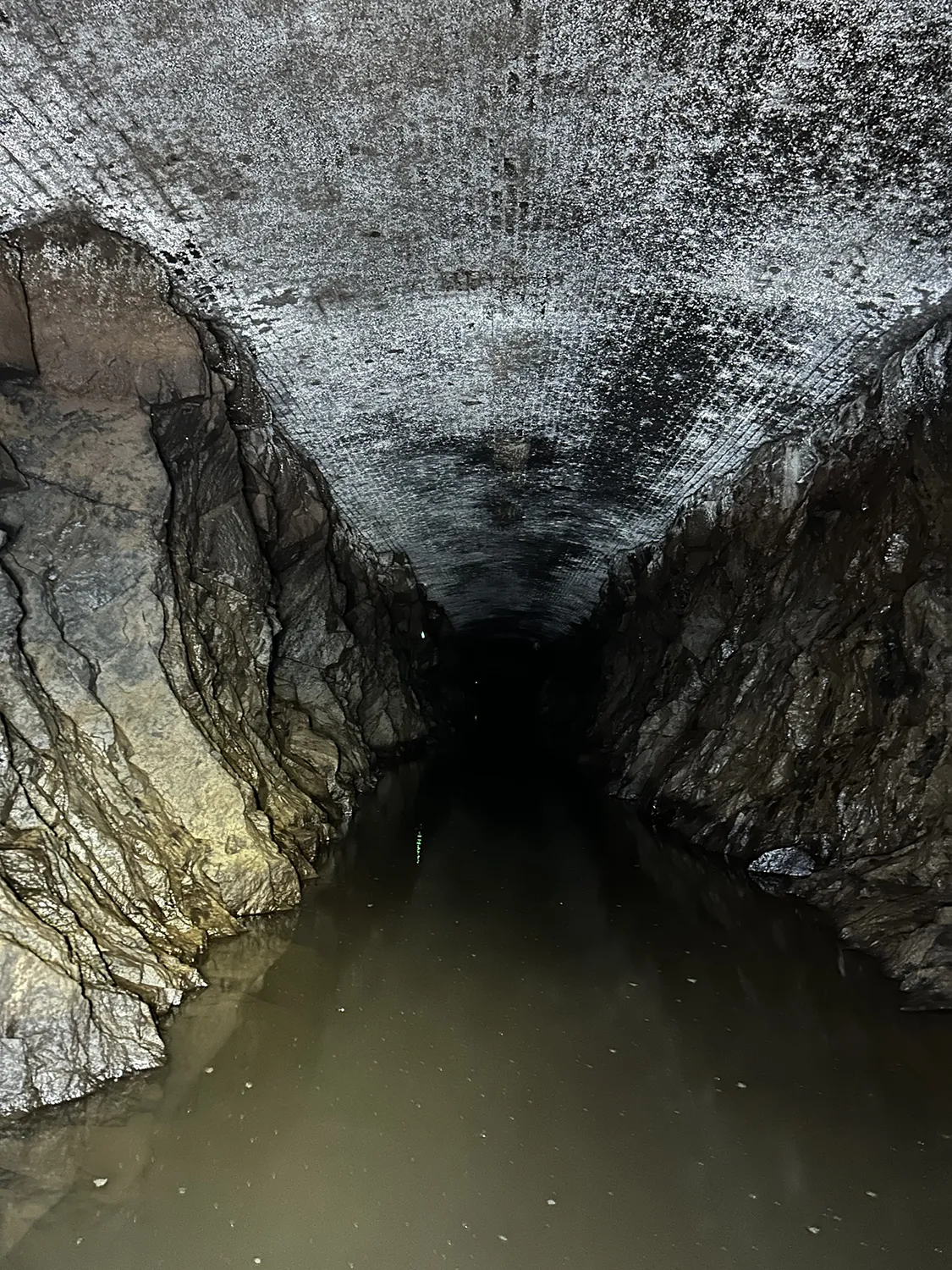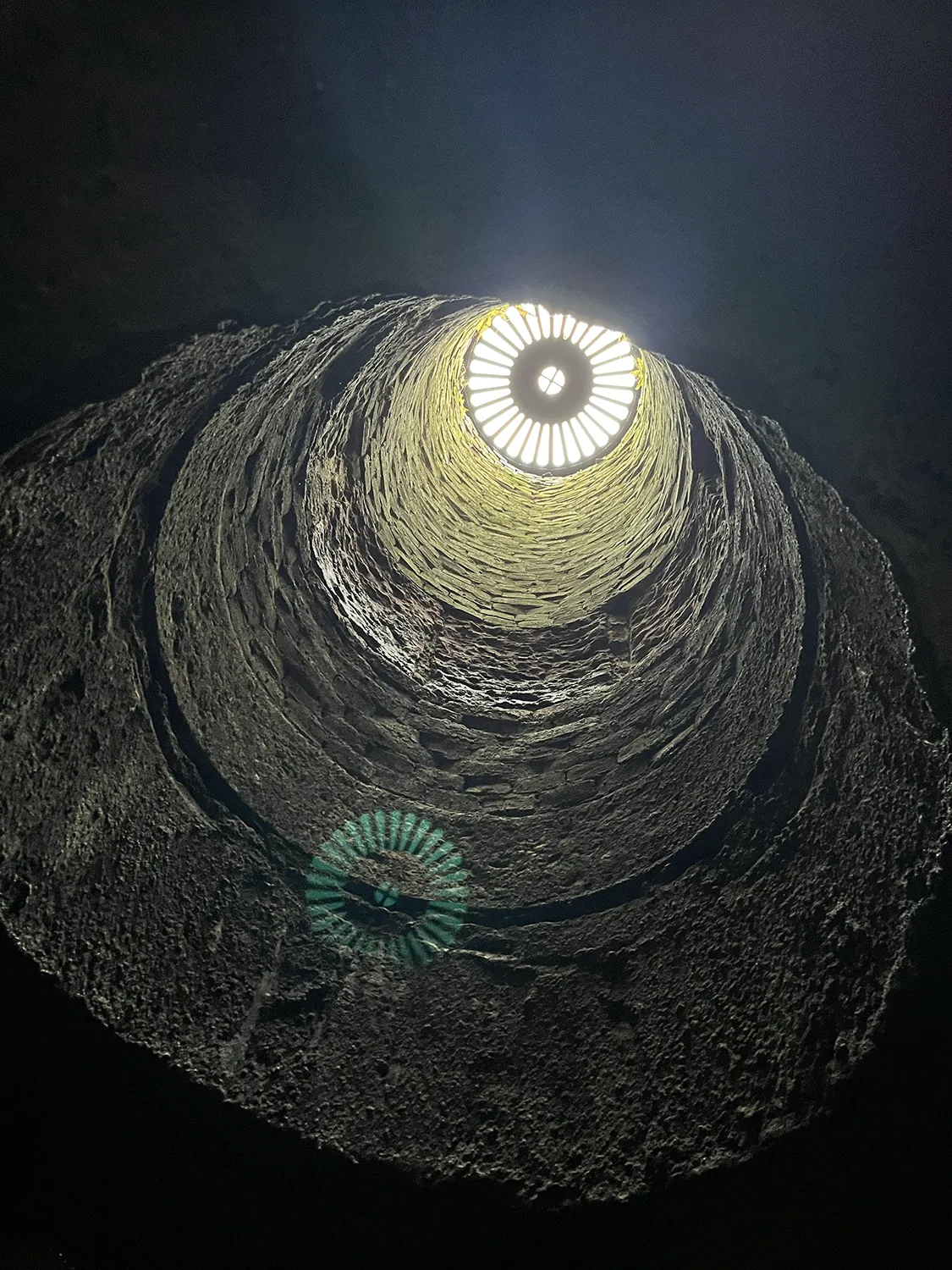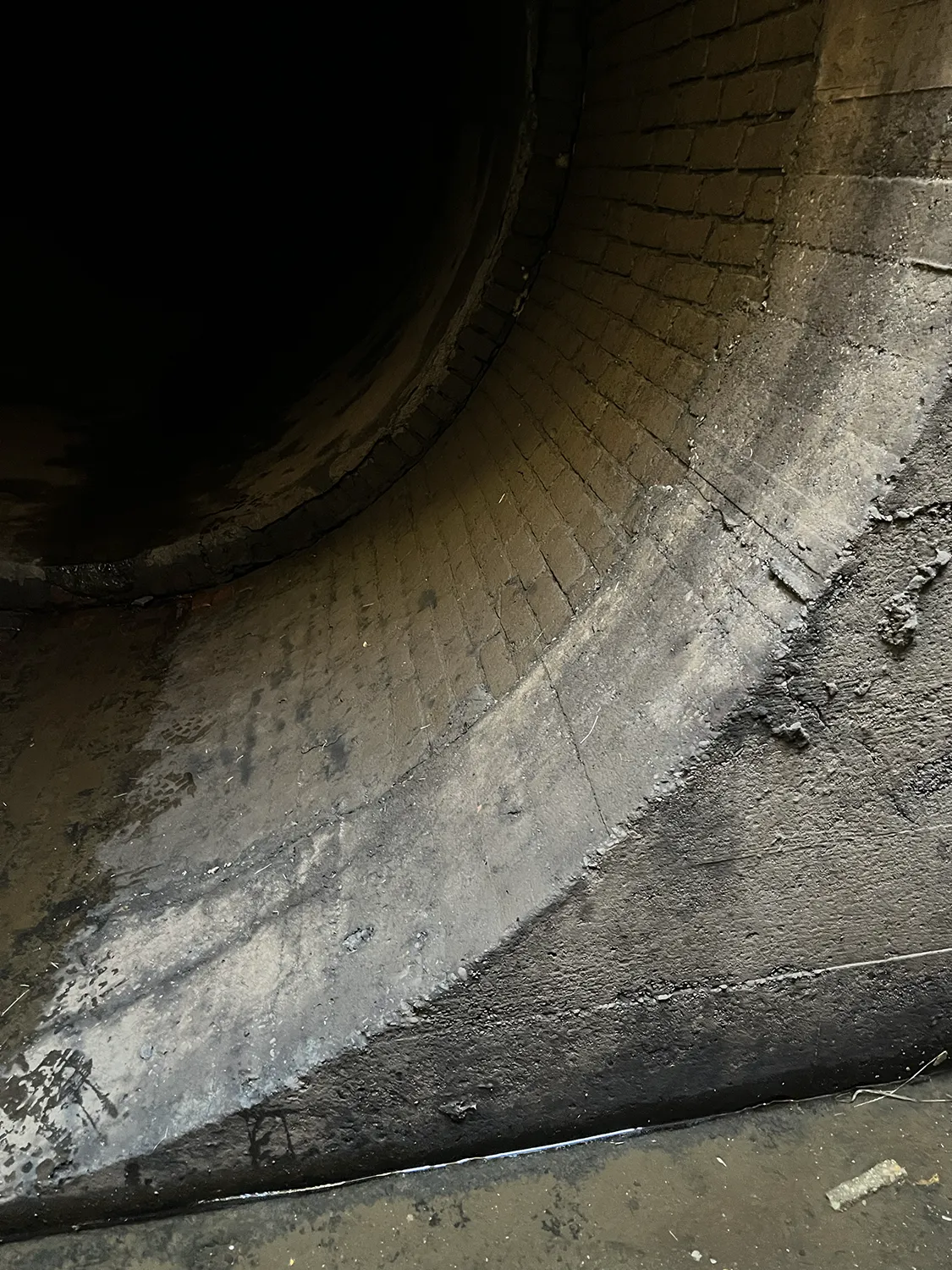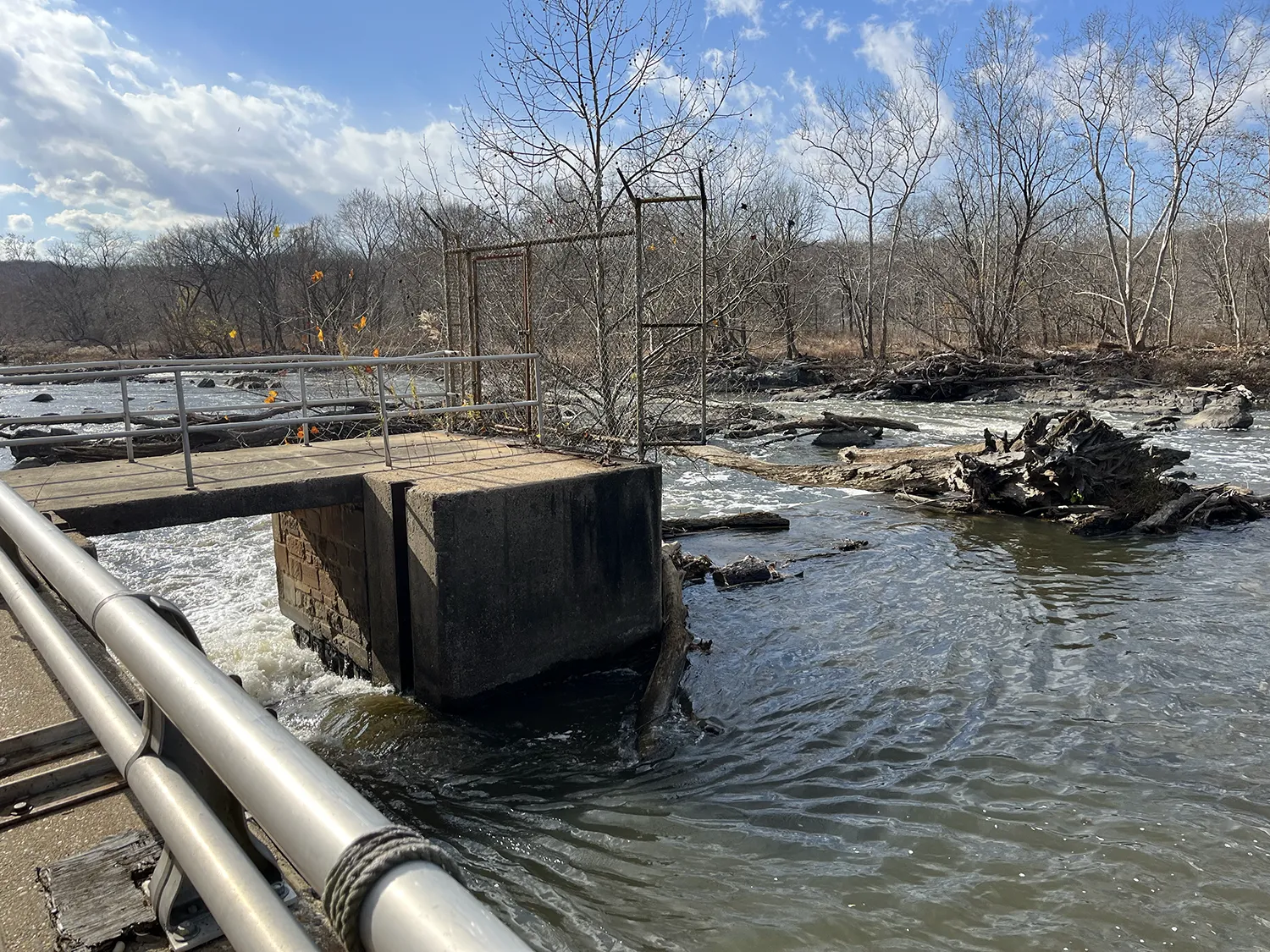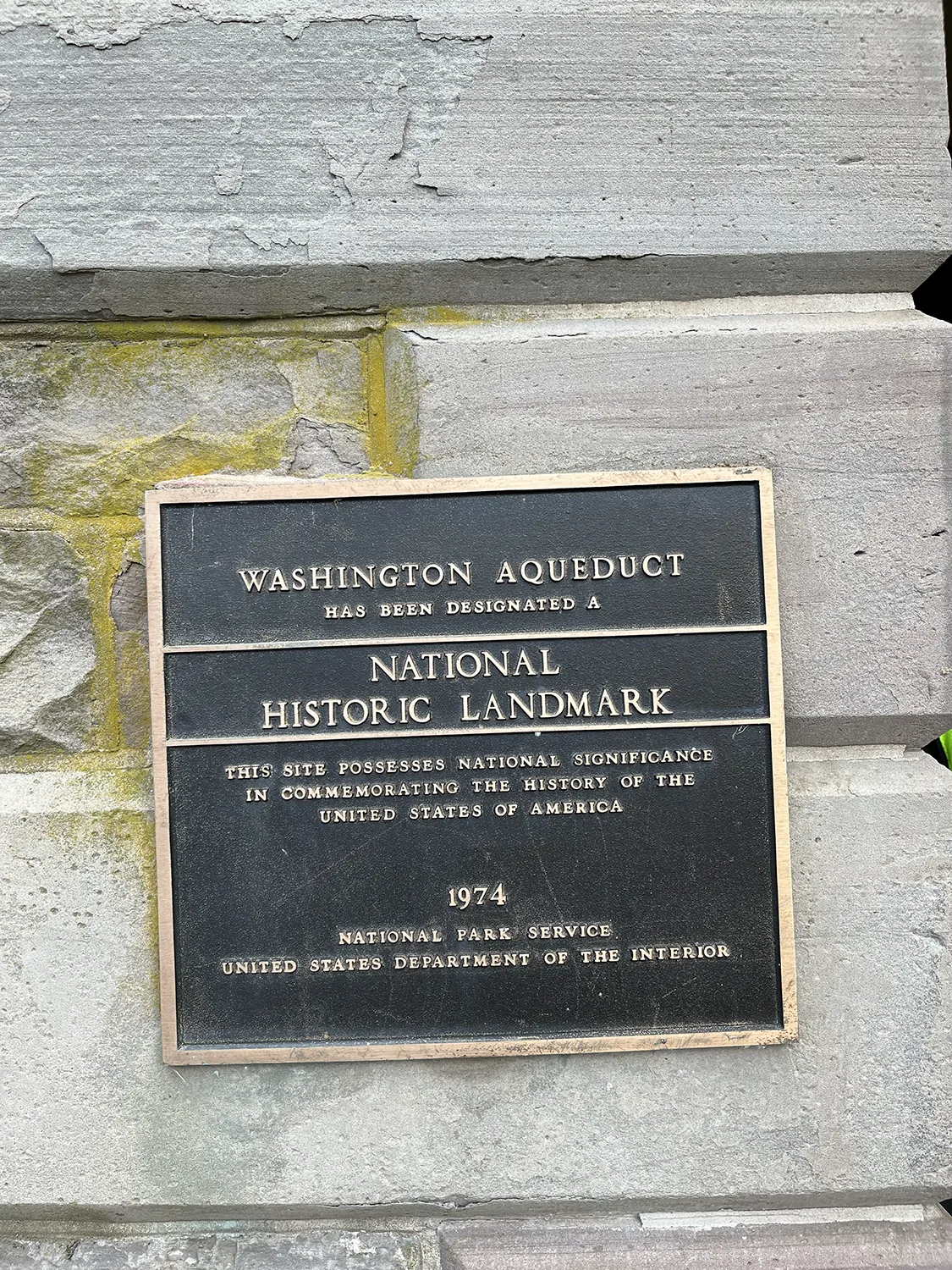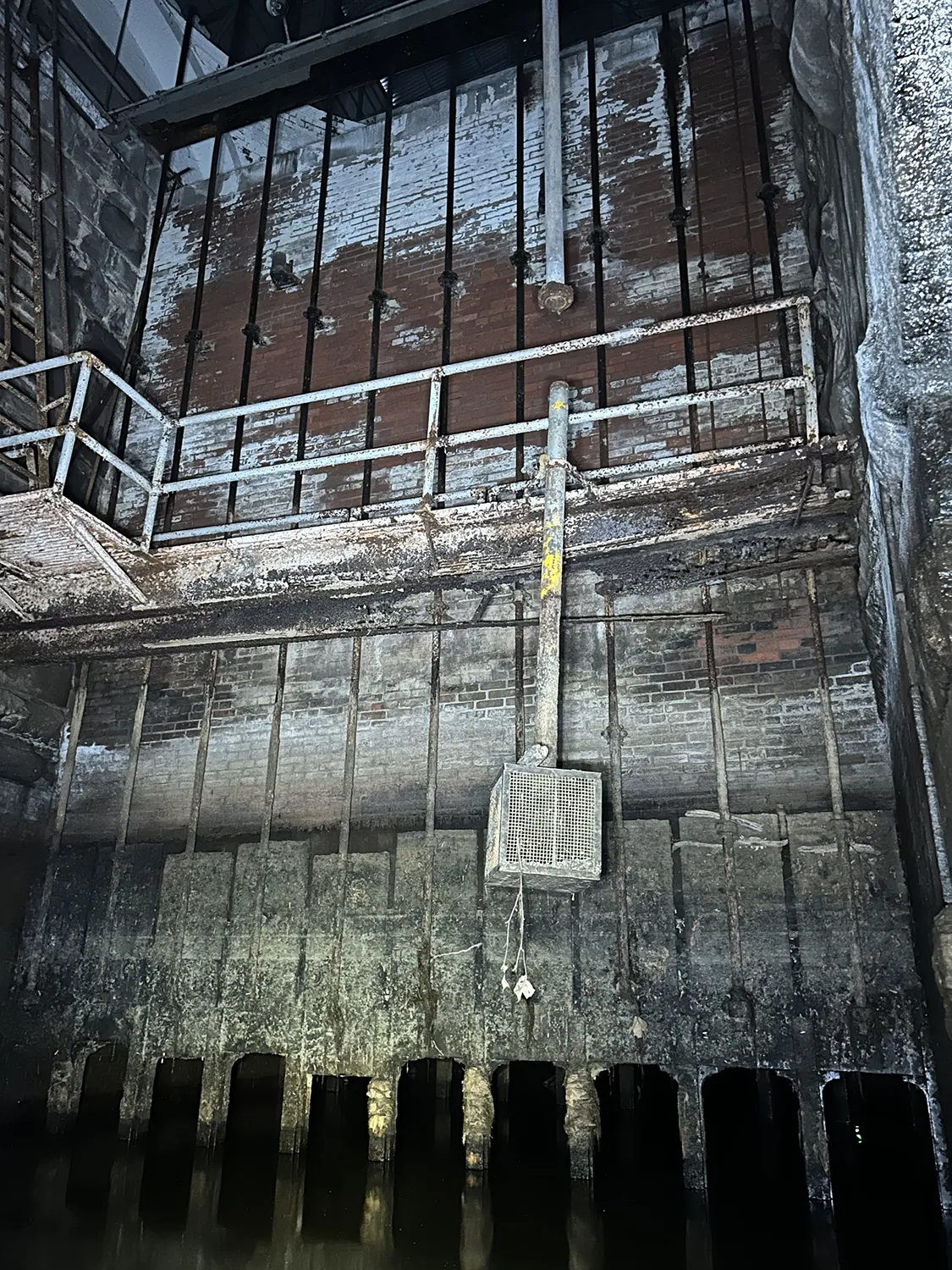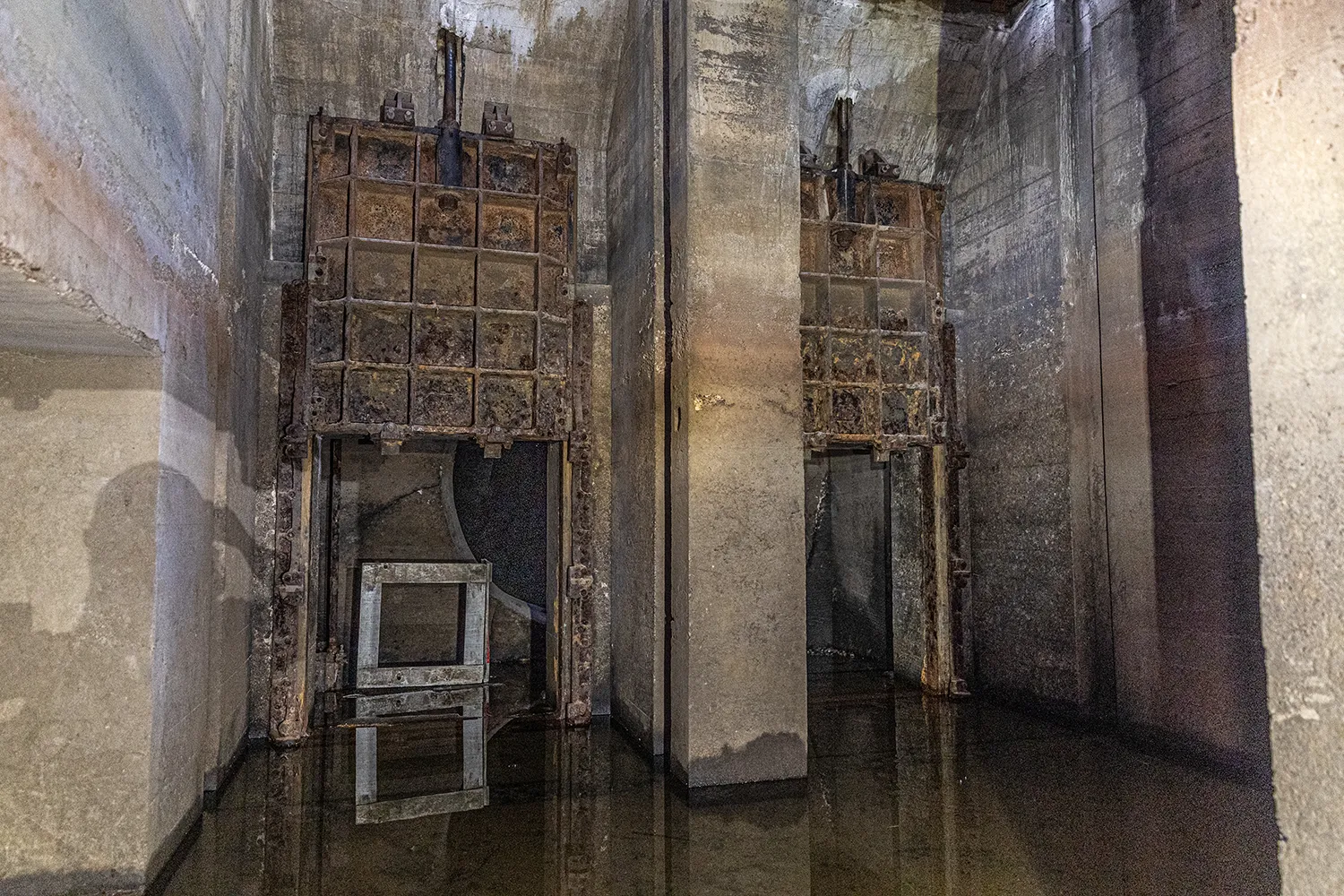

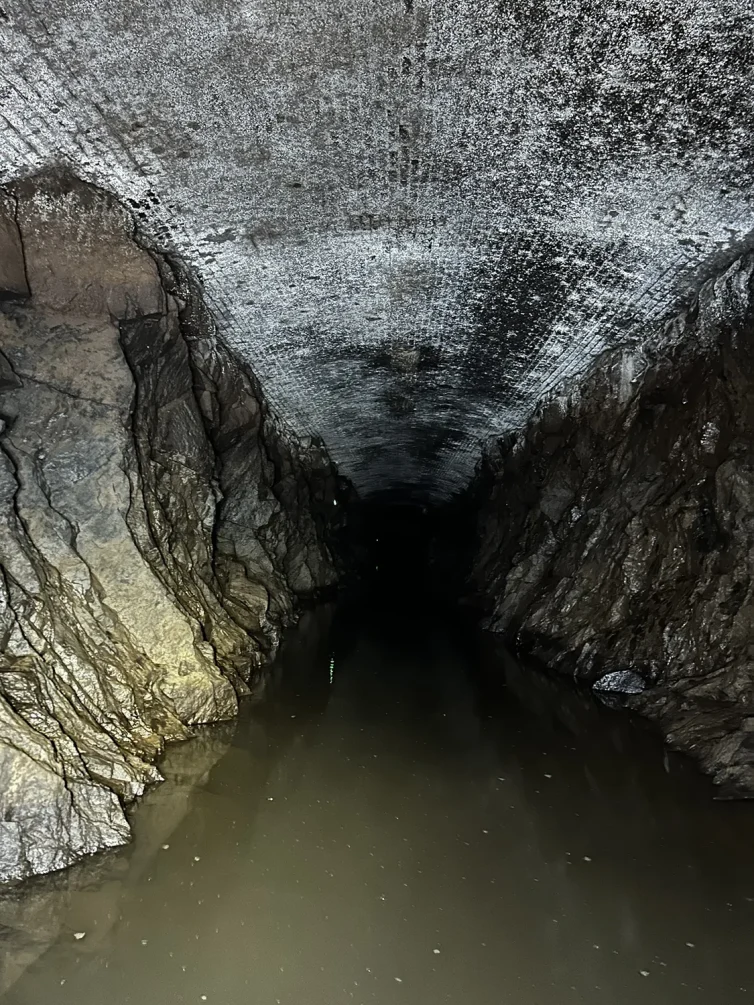
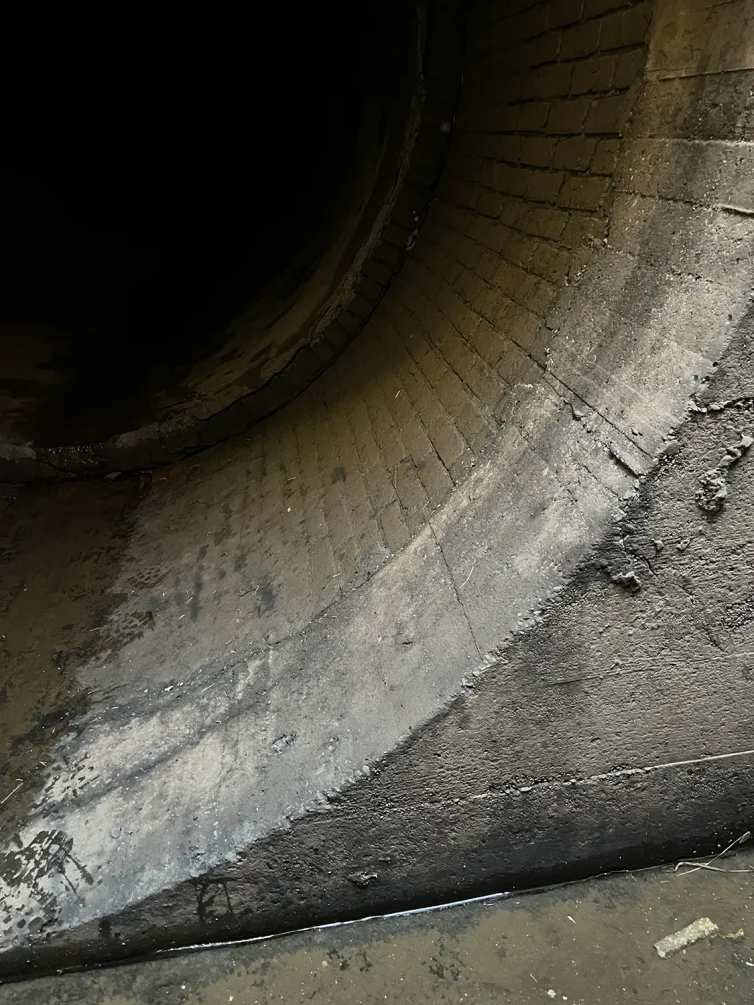
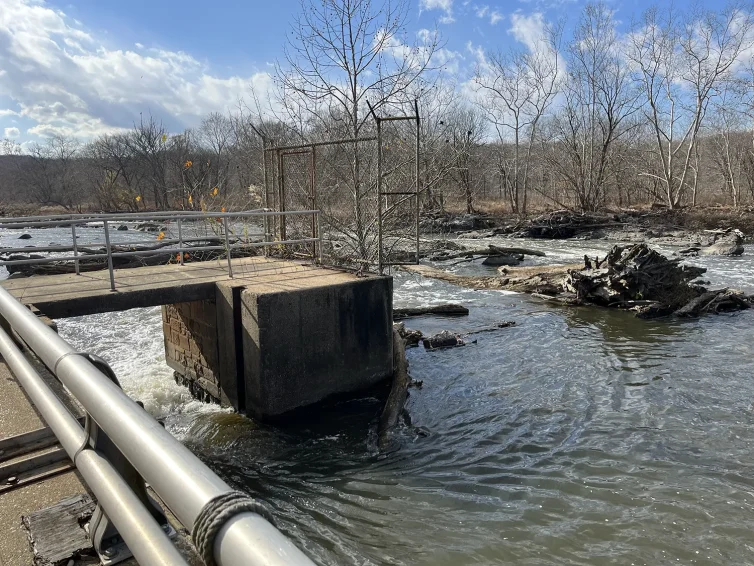
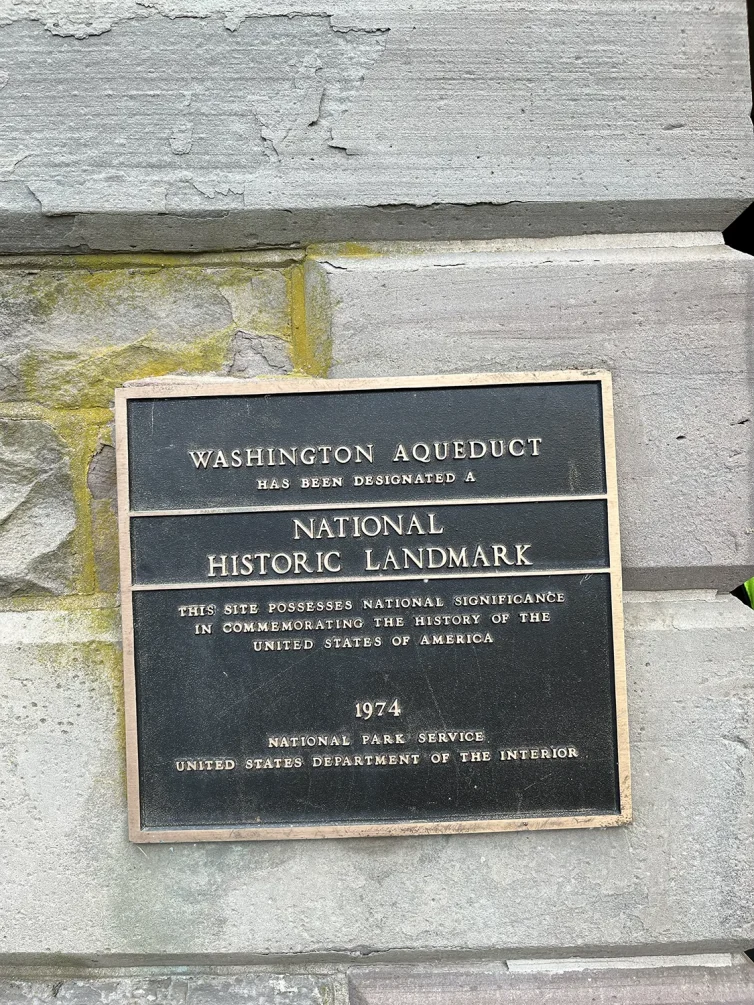
The system currently transports 50M gallons of raw water per day from the Potomac River to the Dalecarlia Reservoir, where it is then treated for public drinking water. The aqueduct system is constructed out of brick, natural stone, concrete and mortar. The system also includes bridges such as the Union Arch Bridge (also “Cabin John Bridge”) completed in 1864, which held the record for longest single-span masonry arch (220 LF) in the world for 40 years. Visual inspections of the old conduit systems including associated bridges determined that repairs and maintenance work were required to address compromises to the structural integrity and extend the service life of the pipe line.
Project Management
Attended a preconstruction meeting that was attended by the JBA Facility Manager, COR and Subcontractor Project Manager. Provided the following deliverables:
- Project schedule and updates to the schedule, As Built Drawings, and O&M manuals for installed systems
- Used Primavera P6 to develop a fully loaded integrated master schedule that includes costs, resources and subcontractor activities
- Maintained the schedule for this complex and large multi-phased project, which is being completed in segments
- Providing schedule updates on a monthly basis and converting the schedule to a P6 XER format (P6 backup file), and then converting the P6 XER into SDEF format so the USACE can upload the scheduling information into their processing system
Optimized Delivery
Managing, coordinating and executing a dynamic project where existing conditions of a water supply structured are unknown until clearing is performed within the conduit segments.
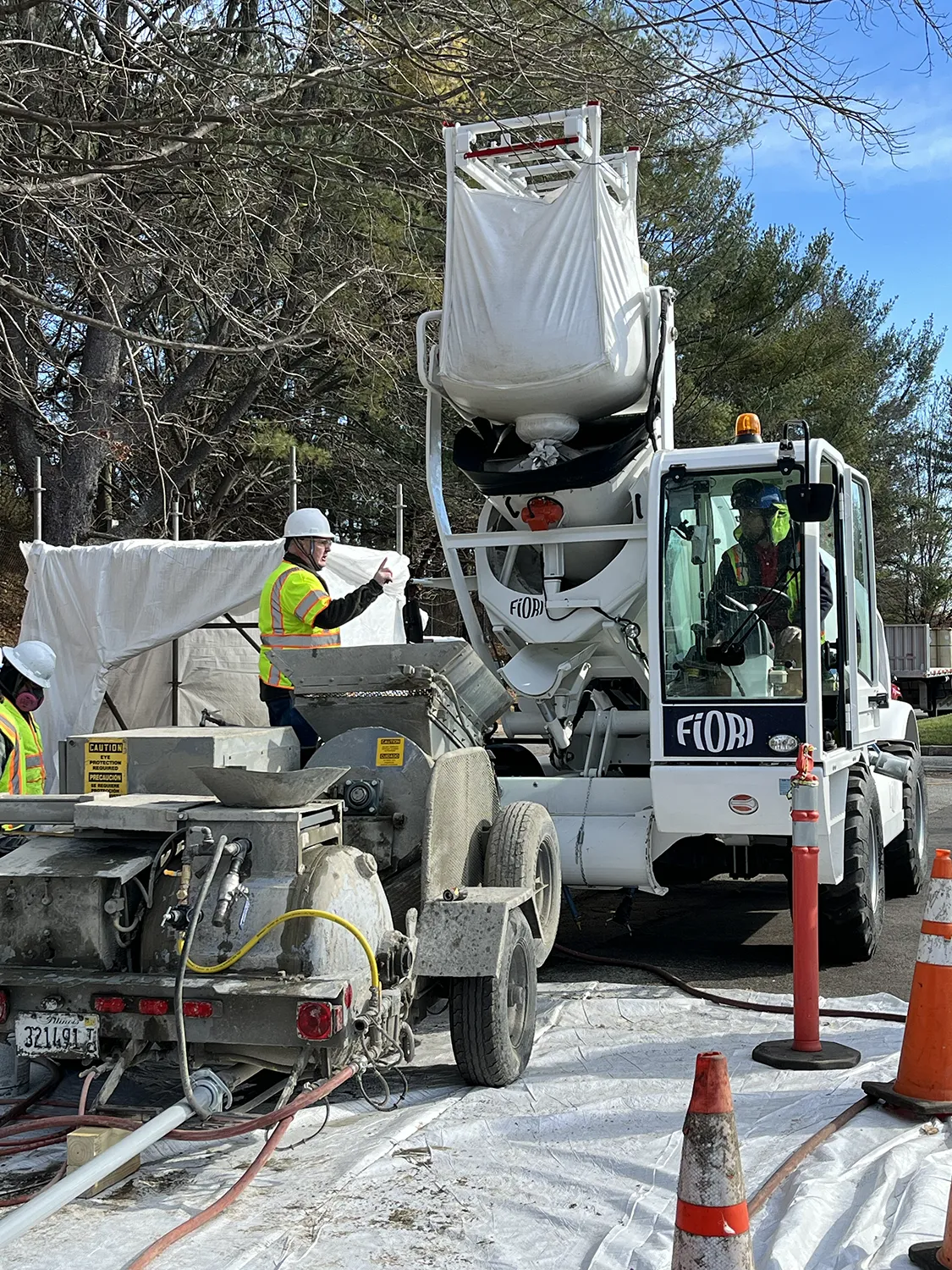
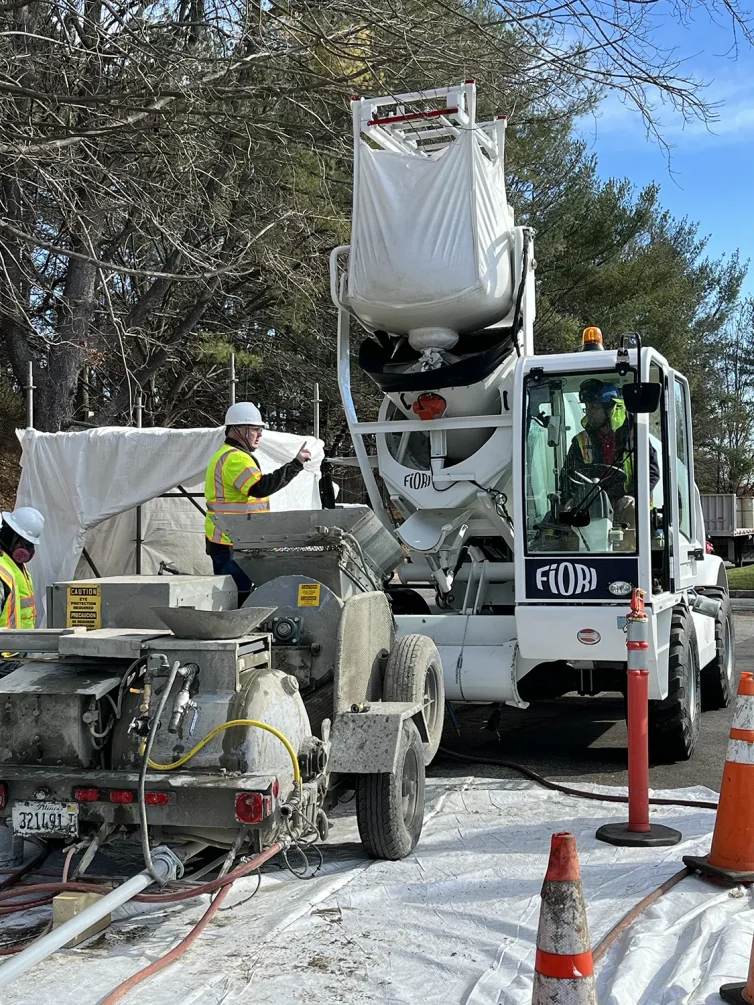
Constructed an on-site greenhouse for curing panels and introduced mechanization to enhance execution efficiencies and improve safety. This included the development of a bag lifter and use of a spring-loaded pallet lifter to mitigate worker fatigue while handling and mixing 80 LB bags of concrete. Water-filled barriers were also used to protect the crew and streamline manhole access.
Completed multiple concurrent activities along several miles of critical underground infrastructure pipe.
Project Relevancies
FFP federal project over $16M
Repairs included miles of brick-work, masonry and concrete pouring
Complex critical infrastructure with more than 36 above ground buildings requiring extensive interior and exterior repairs in compliance with SHPO
Multiple concurrent activities and phases
Restoration and Repairs
- Constructed staging areas at 22 access points along the conduit for equipment, materials and C&D debris.
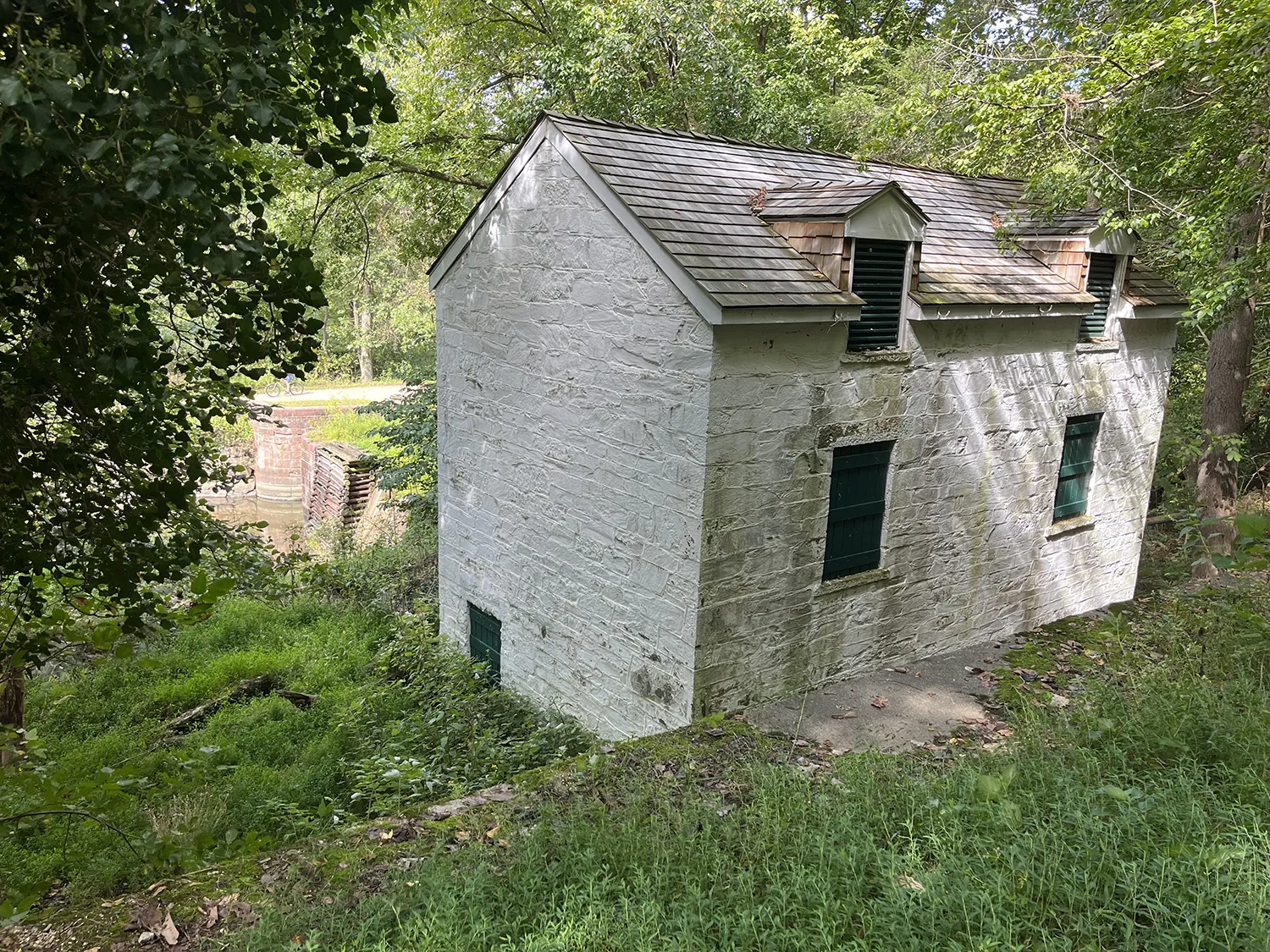
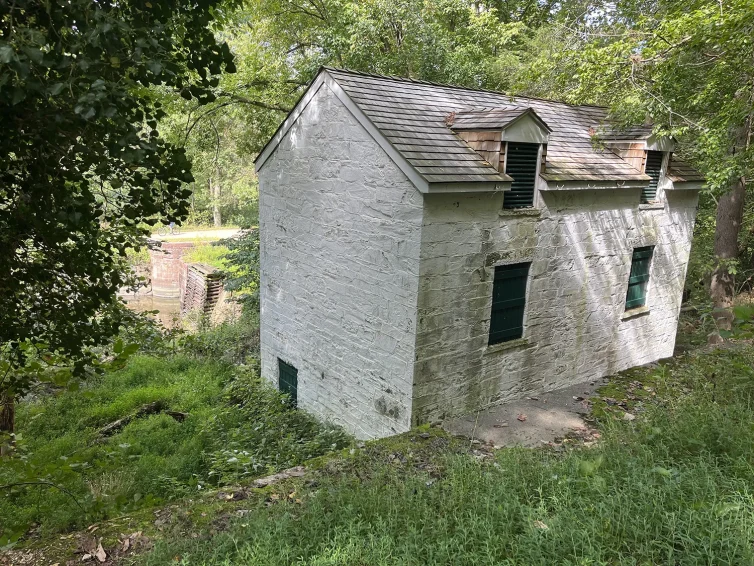
- Completed repairs and restorations to above ground buildings to include 24 gate value houses and 12 pump houses, which occasionally were situated in the middle of a busy public street.
- Repaired pump house and gate value building entrances, replaced casework and repaired exterior and interior masonry, architectural features, roofing systems, and walkways. Since these were considered historic structures, complied with SHPO requirements for historic preservation.
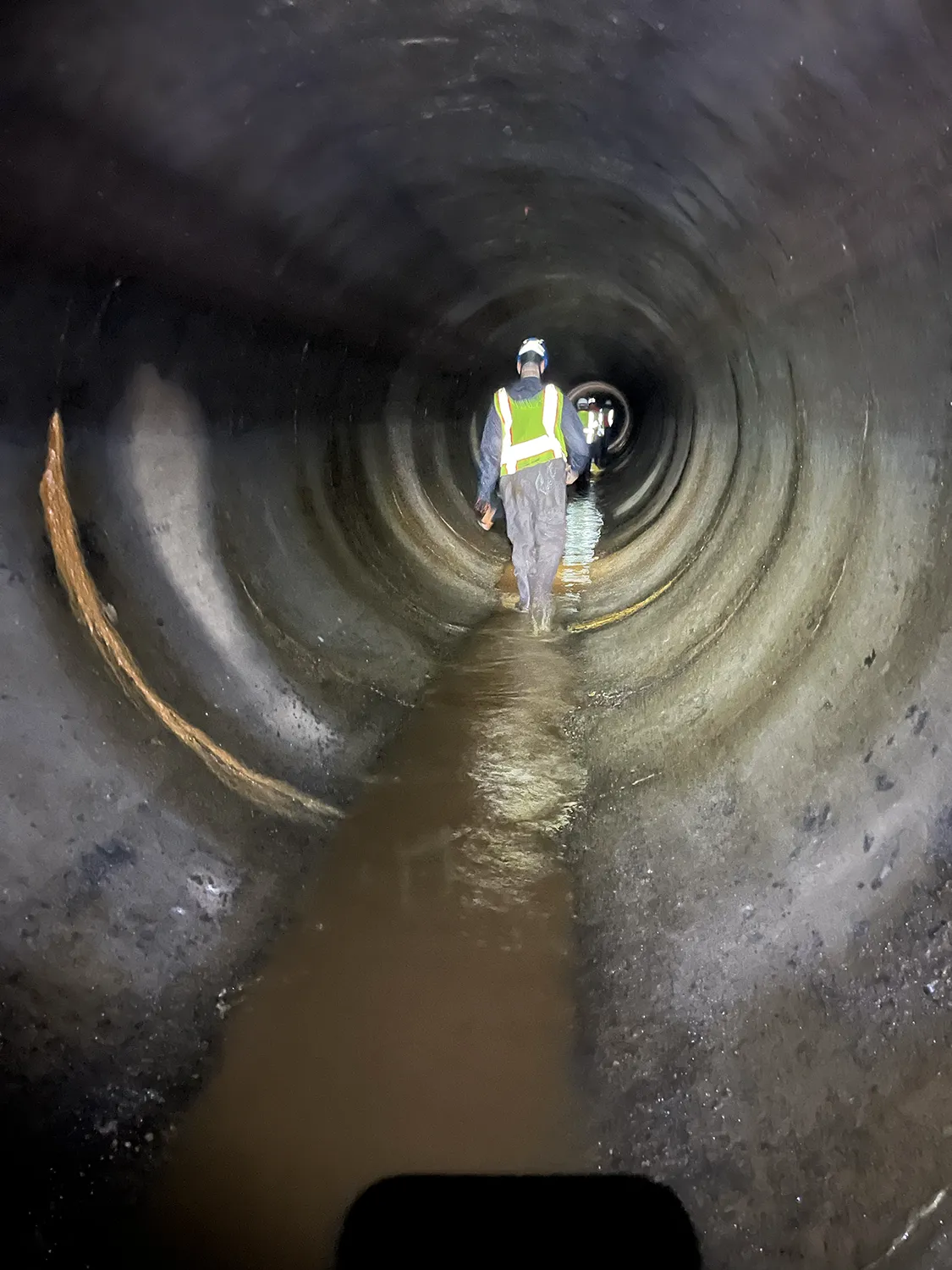
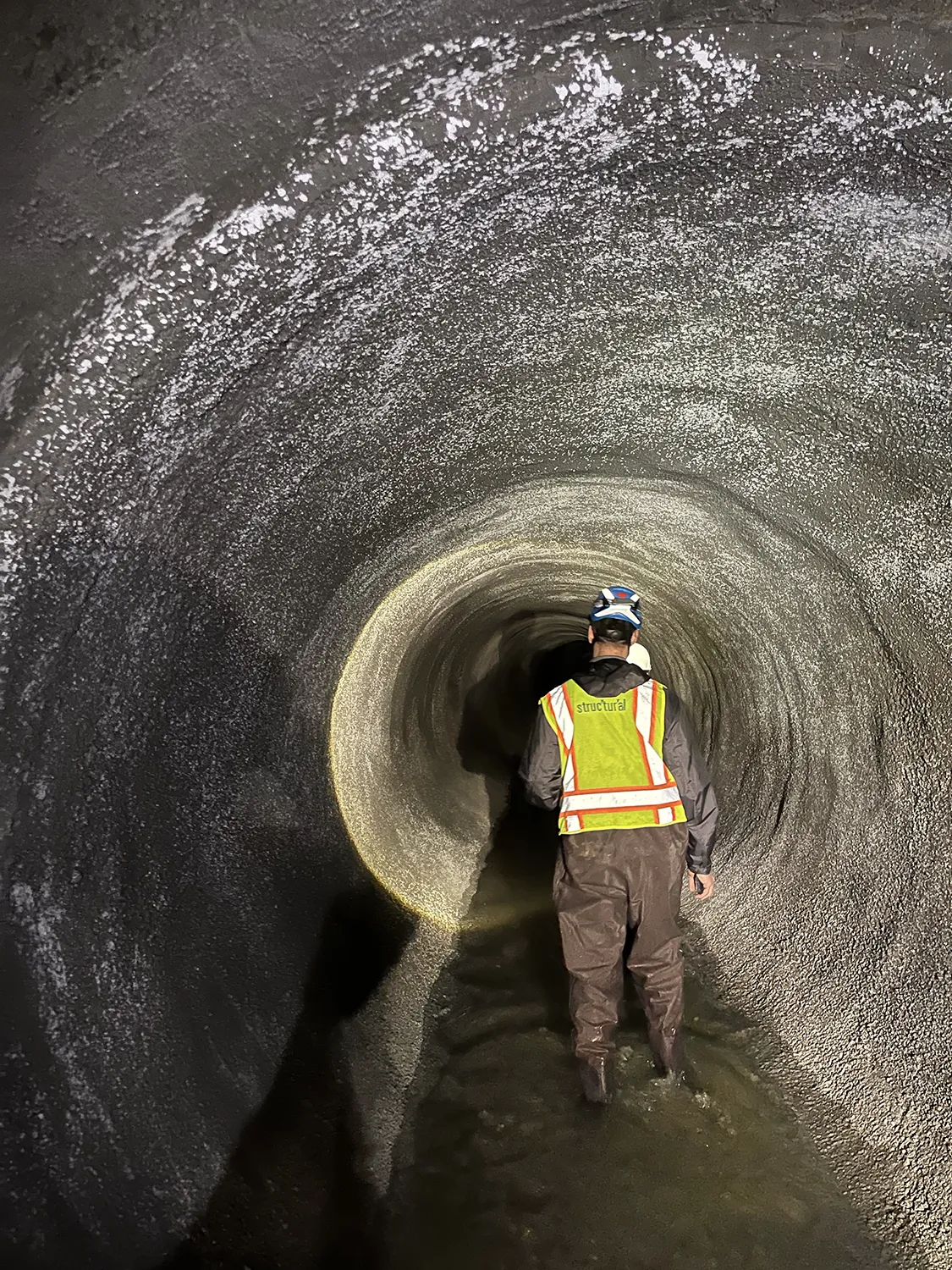
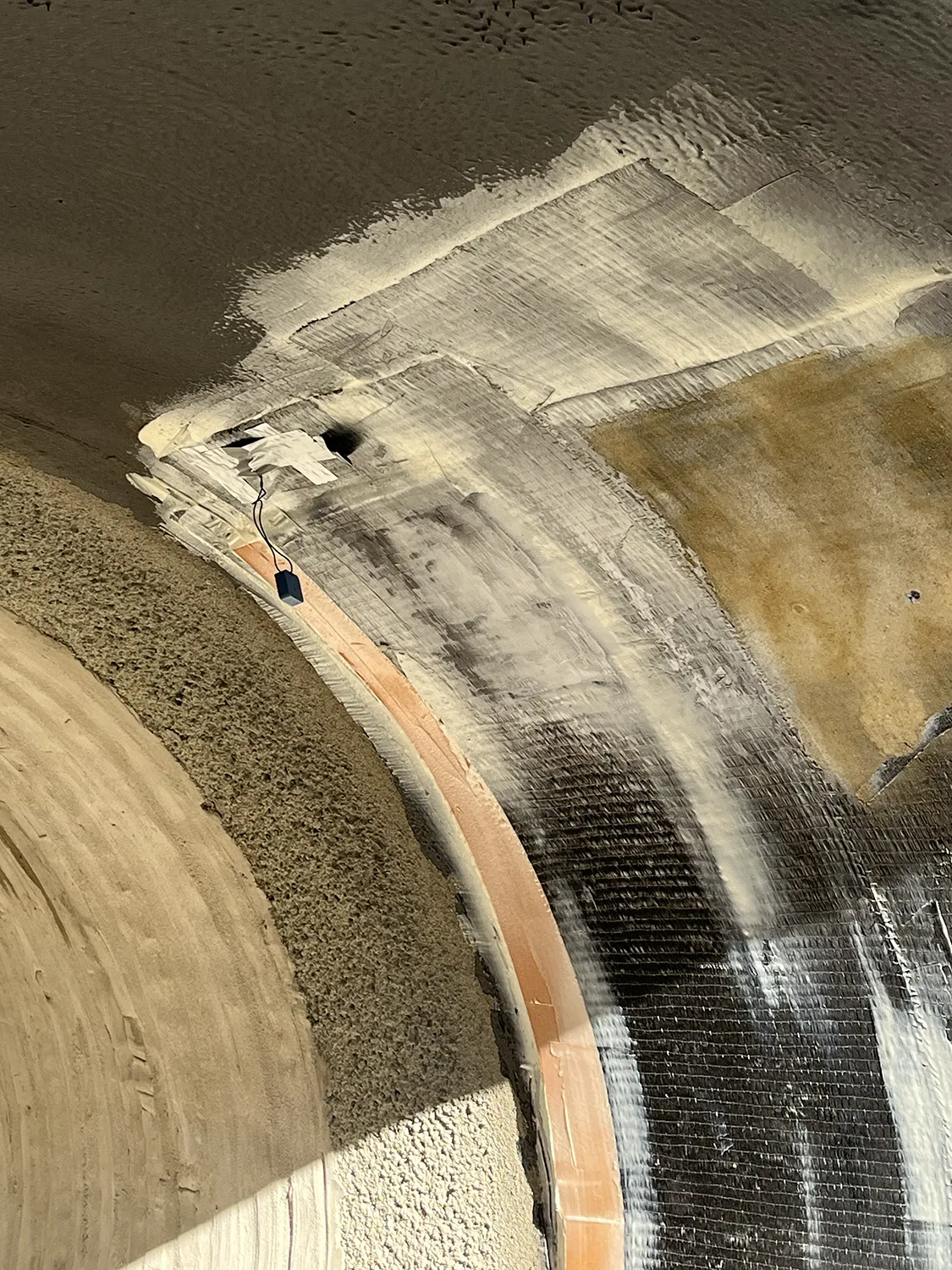
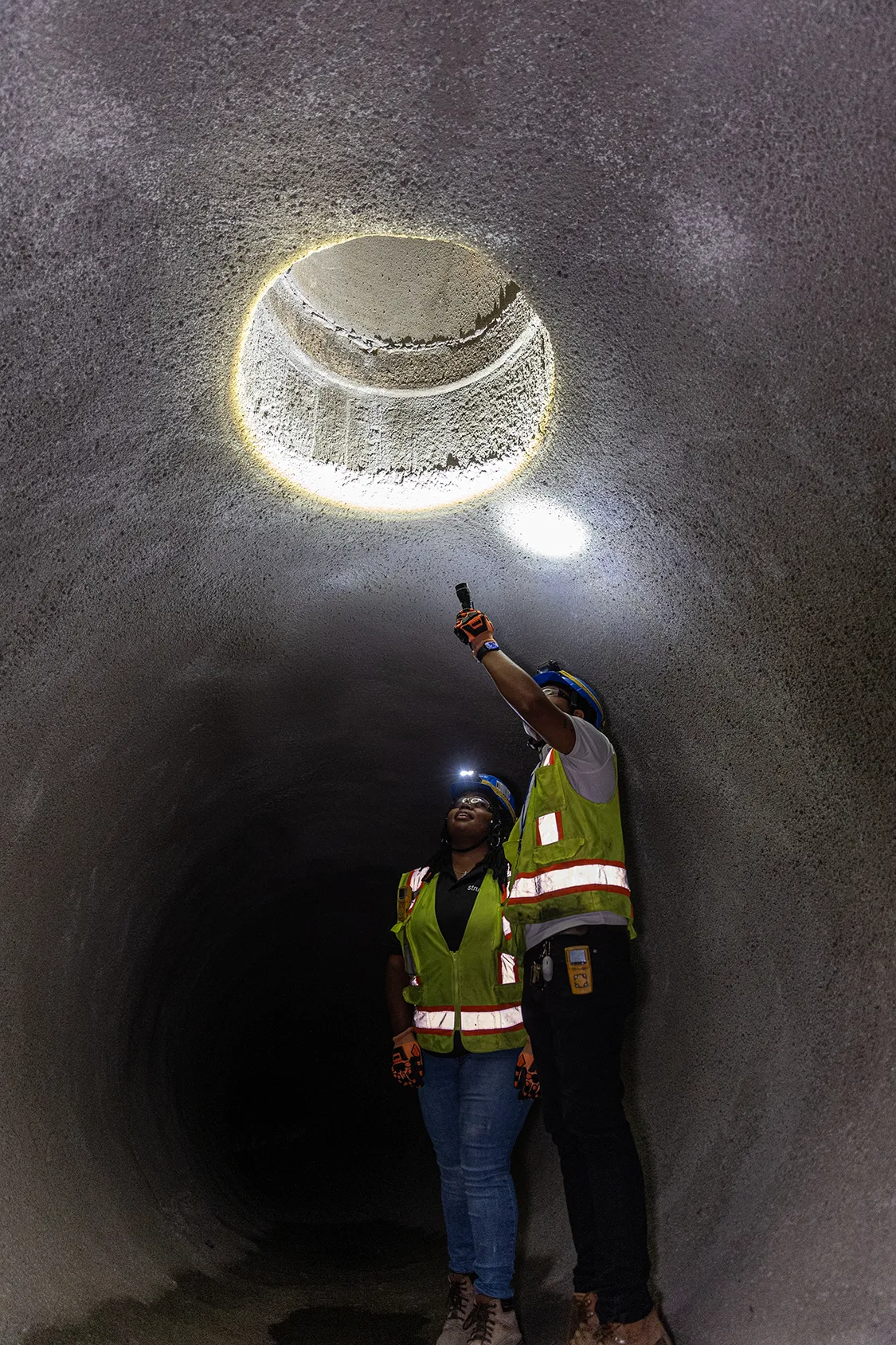
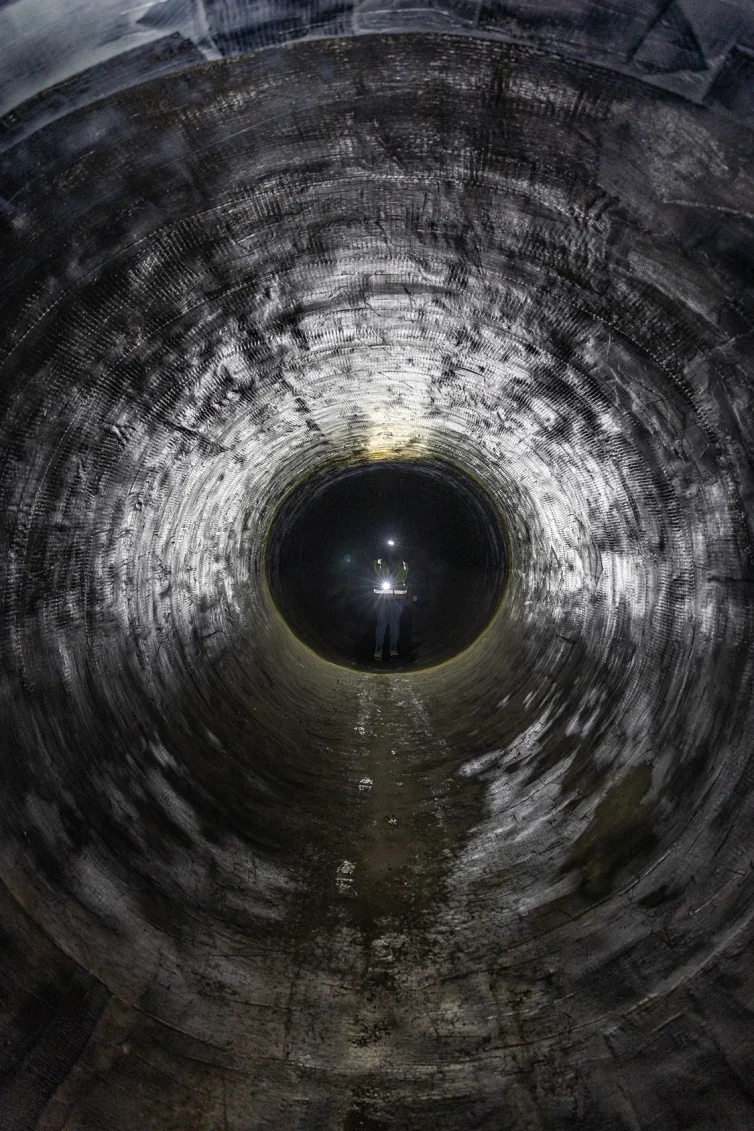
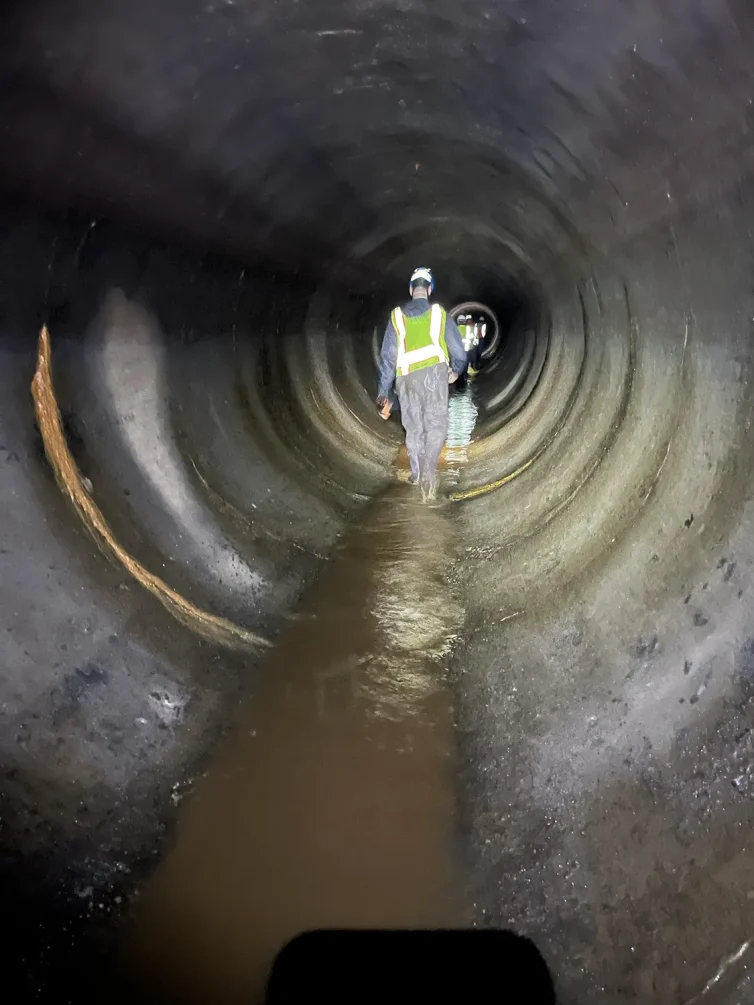
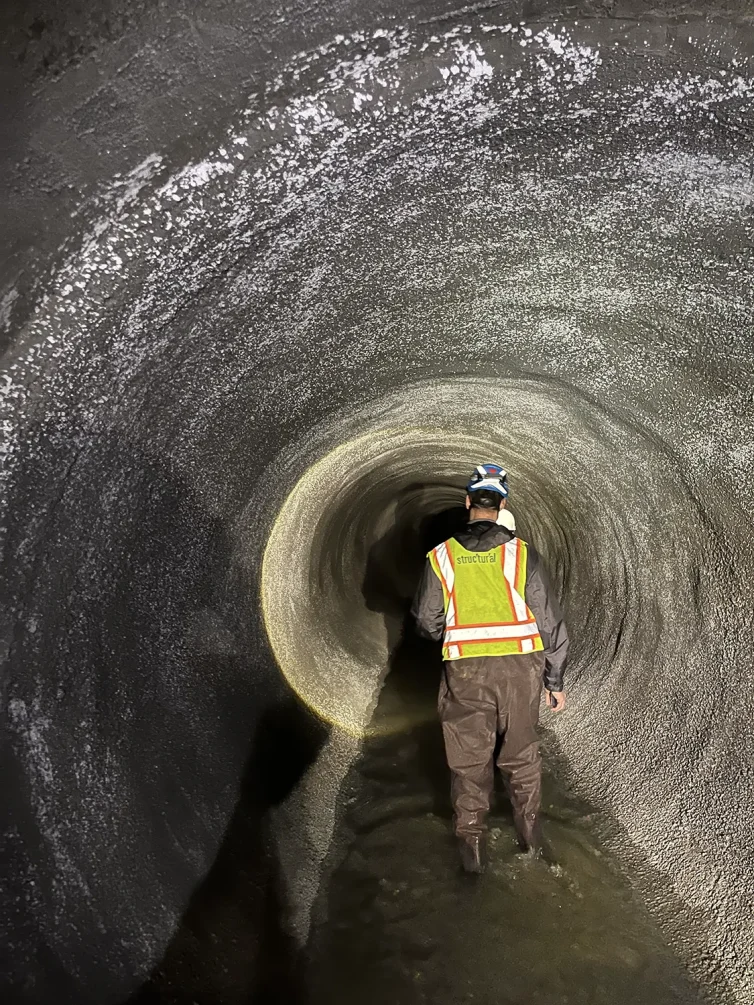
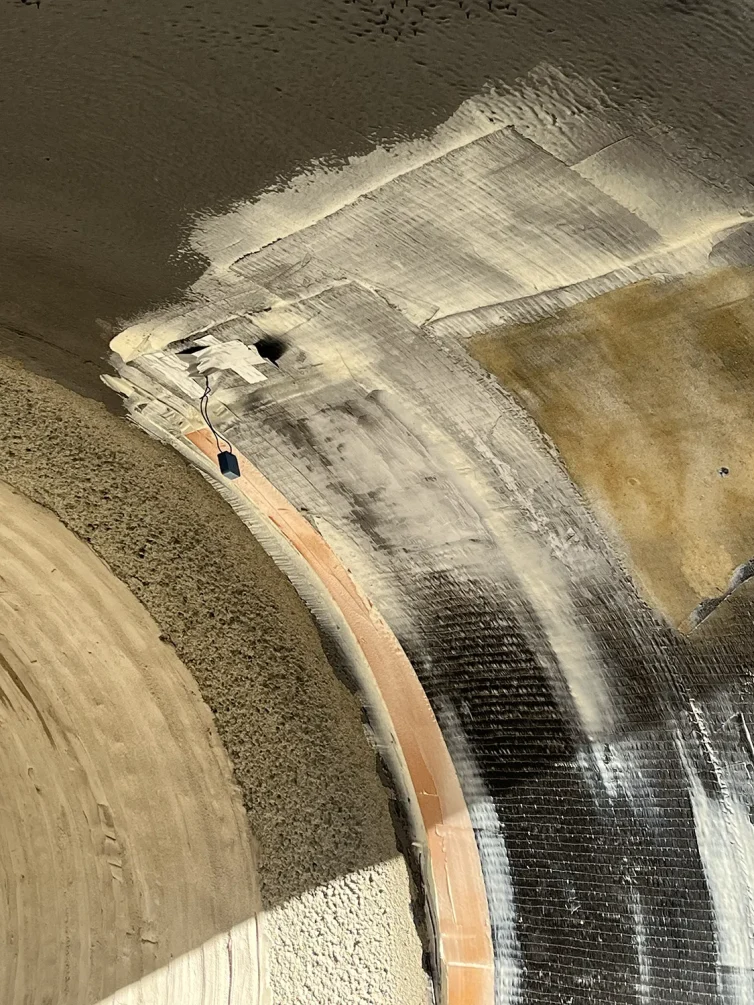
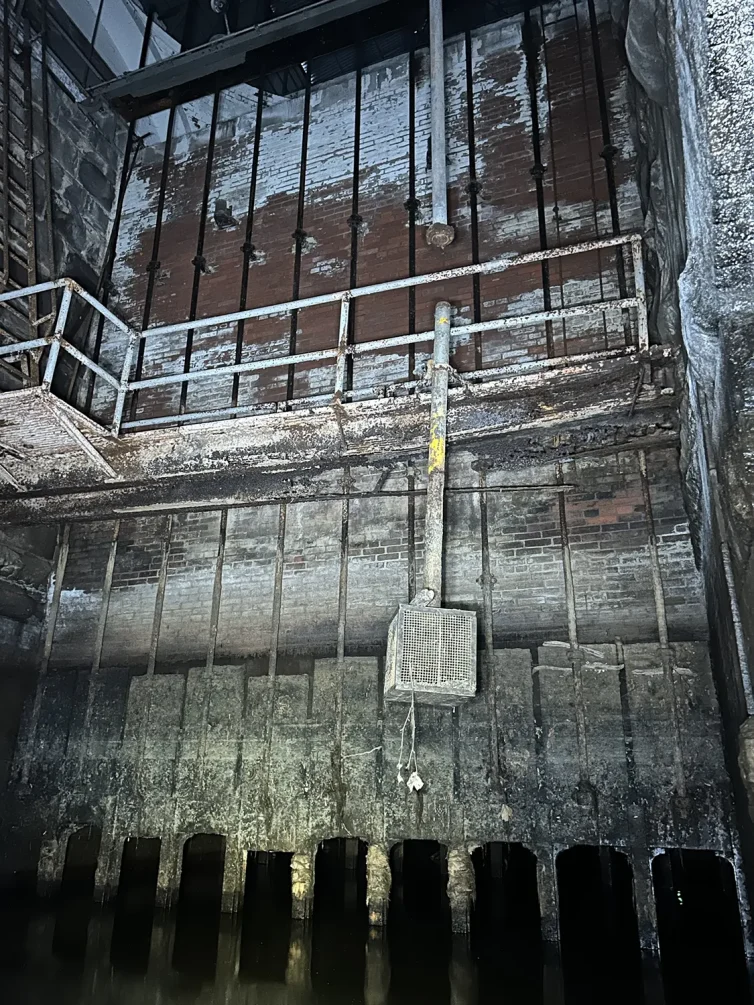
- Completed restoration of the brick aqueduct/tunnel which included repairing the lining with shotcrete, repairing/replacing some of the associated surface access structures, completing guard rail repairs, and performing landscaping.
- Completed in progress inspections, since the system was covered in overgrowth and debris due to its age. These inspections were conducted prior to moving to the next segment to determine the actual condition of the tunnel and the required repair work. Tested 438 shotcrete panels, extracted and tested 951 cores, and tested 411 beams.
- Updated schedule to track the segment being work along with associated stations, batch plant locations, and resource movements. In addition, constant adjustments to the schedule were made once the actual conditions and type of work required was known.
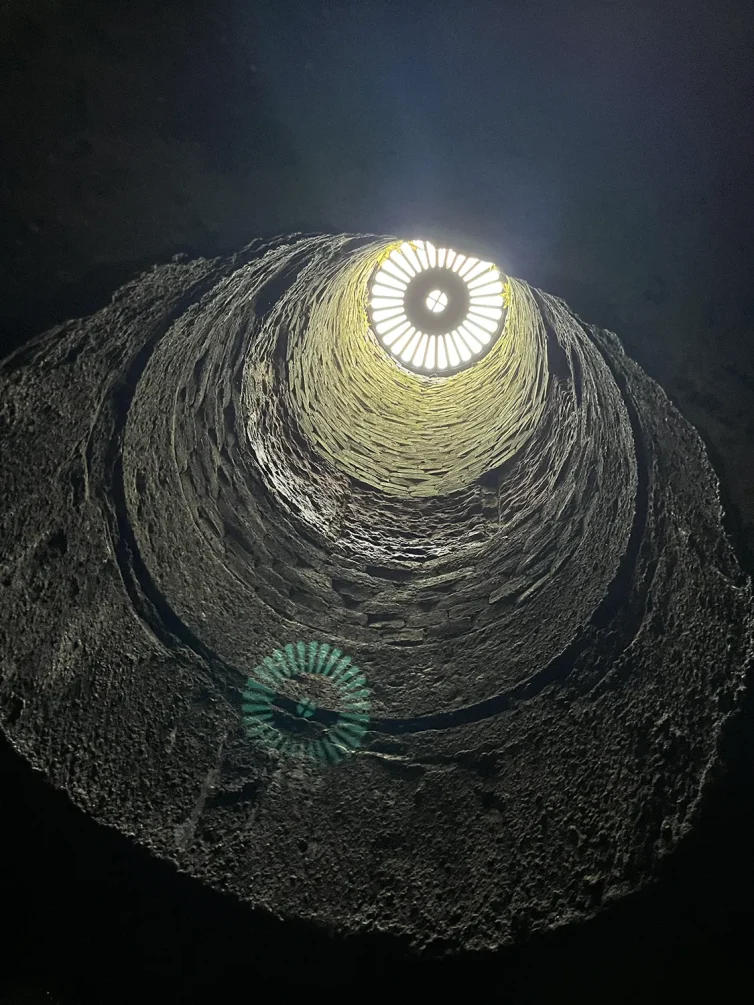
Supplied materials and resources through the system’s manholes along the repair lines. - Stationed batch plants immediately adjacent to the manhole to supply materials through a conduit to the area being manually worked. This was performed through 40 different manholes.
- Installed 2.5 inches of shotcrete liner inside 10 FT. diameter conduit along 12,055 LF. Applied over 370,000 SF of shotcrete.
- Installed 6-layer Carbon-fiber reinforced polymer (CFRP) system inside 305 LF of the system to provide a more reliable and high-performance structure.
- Installed new Metal Station Markers every 200 FT within conduit – 240 each.
- Installed new DOT compliant guard rail at the historic MH 52 Vent Structure.
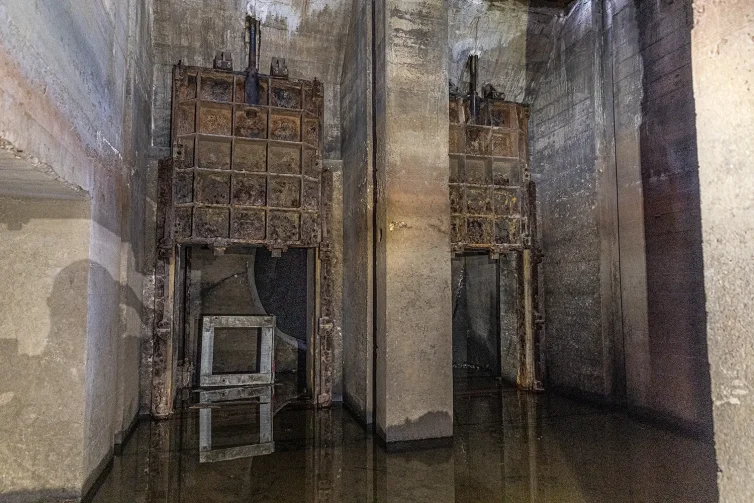
- Cleaned 18 existing sluice gates and perform leak test at the 3 Cross Connects.
- Managed multiple concurrent activities being conducted at various locations along the 10 FT diameter tunnel. Work was performed on the surface and within the tunnel at seven different locations simultaneously.
- Made constant adjustments to the schedule as a result of actual conditions determined following removal of debris and vegetation roots that have overgrown the tunnel. The actual conditions dictated the needed timeframe to make repairs in a specific location.
Self-performed a majority of the work with subcontractors providing shotcrete and repair/replacement of sluice gate services. Services provided included masonry, casework, architectural repairs, roofing system repairs, inspections, scheduling, clearing, guard rail repairs, mortaring, staging area management, and CM. Subcontracted shotcrete and repair/replacement of sluice gate services.
The project was completed on schedule and under budget, with no safety incidents. The team’s ability to self-perform complex structural repairs with precision and innovation was key to the project’s success. The USACE benefited from the team’s collaborative solutions, efficient project execution, and enhanced safety measures, which led to an increase in scope.